Experience canton top Synthetic Turf Installation
Experience canton top Synthetic Turf Installation
Blog Article
Man-Made Turf Installation: The Eco-Smart Fix for Your Lawn
Artificial turf setup constitutes a practical alternative for residents searching for a eco-conscious yard answer. Its toughness and reduced upkeep needs offer major advantages over standard grass. As water preservation grows increasingly important, synthetic grass serves as an effective remedy to environmental concerns. Nevertheless, the determination to place artificial grass encompasses numerous considerations that justify comprehensive analysis. Which aspects must property owners assess before making the switch to this green alternative?
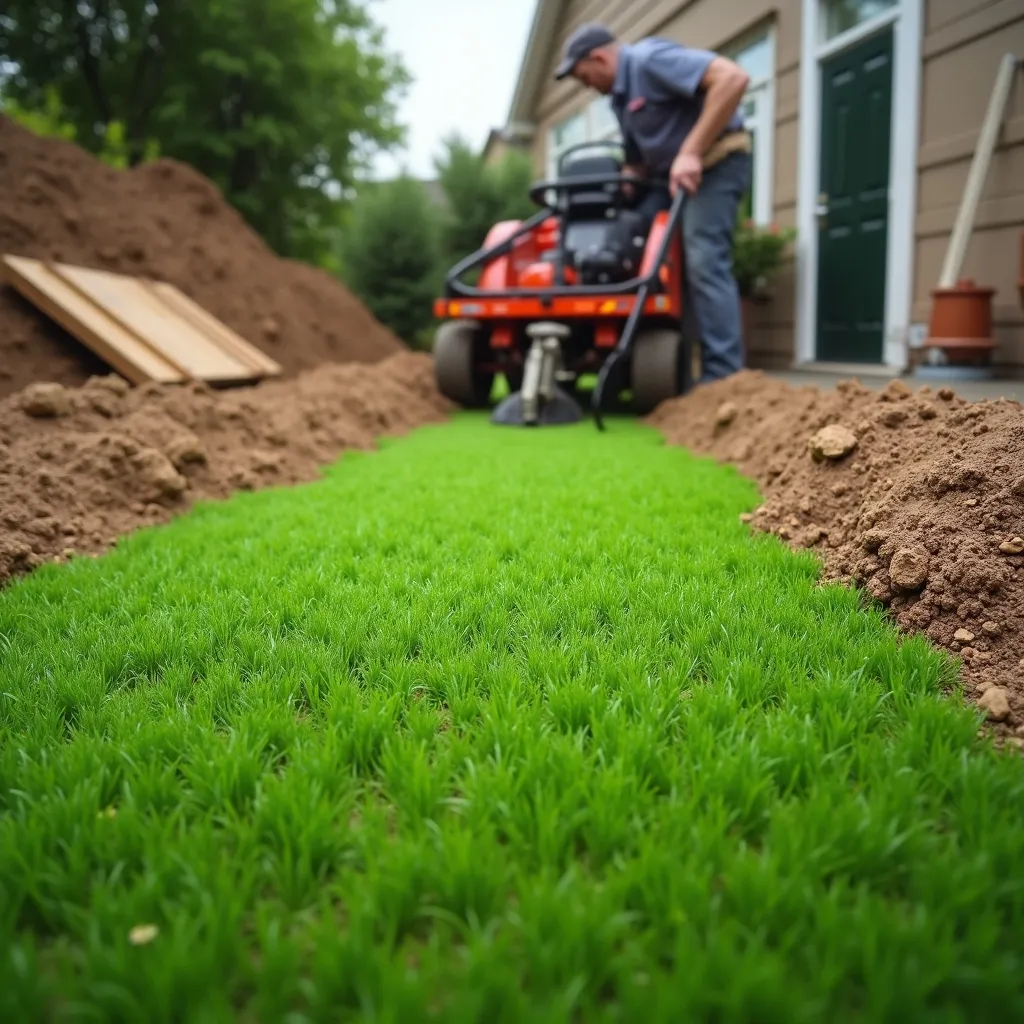
Learning About Synthetic Turf: Core Qualities and Merits
Synthetic turf has emerged as a favored alternative to natural grass, presenting numerous benefits for various applications. One of its key features is durability; synthetic grass can handle heavy foot traffic and extreme weather conditions without deteriorating. This resilience makes it an outstanding choice for sports fields, playgrounds, and residential lawns.
Furthermore, synthetic turf requires reduced upkeep in comparison to natural grass. There is no requirement for mowing, watering, or fertilizing, generating significant time and cost economies for homeowners and facility managers alike.
Moreover, artificial grass is environmentally friendly, as it conserves water and eliminates the need for dangerous chemical treatments.
Modern synthetic turf replicates the appearance and feel of natural grass through useful information advancements in technology, offering aesthetic appeal without the drawbacks. These features combined make synthetic turf a viable and attractive option for a wide range of uses.
Placing Synthetic Turf: A Sequential Guide
When assessing the perks of synthetic turf, the next logical step is understanding the installation process.
The initial phase involves site readiness, which consists of clearing the area of existing grass, weeds, and debris. Next, a foundation of gravel or stone is laid to ensure proper water flow and structural integrity. Following this, a weed barrier is applied to prevent unwanted growth.
Once the base has been readied, the synthetic turf rolls are unrolled and positioned, permitting proper alignment. The edges are fixed with stakes or adhesive, verifying a seamless appearance.
Once installed, a layer of infill material, such as rubber or sand, is distributed evenly to deliver weight and support. Finally, the turf is raked to lift the strands and create a organic appearance.
Executing these procedures creates a long-lasting, minimal-upkeep lawn that boosts both appearance and practicality.
Why Decide on Synthetic Turf? Environmental and Practical Rewards?
Selecting synthetic turf provides many environmental and practical advantages that render it an appealing option for numerous homeowners and businesses. One major benefit is water conservation; artificial turf eliminates the requirement for routine irrigation, which is especially beneficial in arid regions.
Additionally, it reduces the dependence on damaging pesticides and fertilizers, promoting a more robust ecosystem.
From a realistic standpoint, synthetic turf calls for minimal maintenance, cutting time and money on lawn care. It remains rich and verdant throughout the year, providing a consistent visual allure without seasonal fluctuations.
In addition, synthetic turf is durable, capable of tolerating heavy foot traffic and various weather conditions, making it ideal for both residential and commercial applications.
These properties not only optimize the practical application of open-air areas but also advance long-term environmental stewardship, presenting synthetic turf as an appealing alternative for environmentally conscious clients.
Critical Factors for Synthetic Turf Setup
Numerous factors must be taken into account before proceeding with synthetic turf placement. First, it is important to evaluate the intended use of the area. Different varieties of synthetic turf are designed for specific purposes, such as sports or residential outdoor design.
Second, the local weather patterns should be examined; some items may manage heat better than others.
Site preparation is another essential factor, necessitating proper drainage and a even terrain to assure lasting performance and functionality. Also, potential area rules or HOA guidelines may influence installation choices.
Selecting the appropriate infill material is essential for durability and ease, as it impacts both the look and feel of the turf.
In conclusion, choosing a credible service provider can greatly influence the excellence and longevity of the installation. By tackling these considerations, dwellers can reach knowledgeable decisions that most appropriately suit their needs and strengthen their garden spaces.
Proper Care for Your Artificial Turf Lawn
Keeping your synthetic turf lawn in top shape requires a dependable cleaning regimen for guaranteeing its lasting quality and visual presentation.
Routine upkeep includes tackling any issues and utilizing restoration methods as necessary.
Follow a reliable tidying timeline
A regular maintenance plan is essential for preserving the look and durability of synthetic turf lawns. Regular maintenance helps avoid debris buildup, reduces odors, and enhances aesthetic appeal.
Property owners should aim to clean leaves, twigs, and other plant debris at least once a week, especially during fall. Additionally, washing the turf with water every month can help get rid of dust and allergens, maintaining a fresh look.
High-traffic areas could benefit from ongoing care to copyright the durability. In freezing seasons, winter accumulation should be thoroughly cleared to prevent damaging the grass strands.
Locating and Repair Guidelines
Identifying and managing problems promptly is essential for maintaining the durability of synthetic turf lawns. Ongoing assessments should be executed to catch signs of damage, such as tears, unraveling, or uneven surfaces.
When a fault is found, immediate action is crucial. Minor tears can be repaired using custom adhesive or turf tape, ensuring a reliable bond without compromising appearance. For larger issues, professionals may be needed to replace sections of turf.
Additionally, preserving the base material intact is essential; any movement can lead to further complications. Regular brushing helps sustain an even appearance and can also reveal hidden issues.
Budget Analysis: Synthetic Turf vs. Natural Grass
When analyzing the prices of fake grass to living grass, initial installation expenses are a major factor.
Furthermore, prolonged maintenance costs can markedly shape the overall financial commitment of each option.
A full study of these elements provides meaningful findings for potential buyers.
Primary Setup Expenses
Installation charges are important in the decision-making process for homeowners and municipalities assessing synthetic turf against natural grass.
Normally, the initial costs for synthetic turf can range from $5 to $20 per square foot, based on quality and installation complexity. In contrast, natural grass installation usually costs between $1 to $2 per square foot.
However, the total cost in natural grass can expand markedly due to soil preparation, irrigation, and regular maintenance requirements.
Property owners and local governments must evaluate these starting costs against the possible future gains of synthetic turf, such as lower water demand and reduced upkeep obligations.
Ultimately, knowing these costs enables making smart, responsible landscaping choices.
Extended Maintenance Expenses
Long-term operational costs markedly govern the overall return on investment of synthetic turf compared to natural grass.
Natural grass calls for constant expenses, encompassing scheduled mowing, nutrient treatment, consistent moisture, and pest and disease prevention, which can accumulate quickly over time. Homeowners may spend hundreds to thousands of dollars per annum to upkeep a vibrant lawn.
By contrast, synthetic turf requires little care, chiefly sporadic cleaning to clear debris. While the initial investment for synthetic turf may be higher, the diminished future costs make it an appealing alternative.
Additionally, synthetic turf eliminates irrigation costs associated with irrigation, further enhancing its economic value over time.
Ultimately, the financial advantages of synthetic turf upkeep can lead to substantial savings for property owners in the long term.
Refuting Prevalent Myths About Synthetic Turf
Although numerous individuals maintain misunderstandings about synthetic turf, understanding the facts can lead to informed choices. One common myth is that synthetic turf is damaging to the ecosystem; however, many products are made from recycled materials and are engineered to be long-lasting, minimizing waste.
Another widespread belief is that synthetic turf requires excessive heat control, but modern installations often include effective cooling technologies that mitigate temperature issues.
Furthermore, some critics claim that synthetic turf facilitates artificial compounds; yet, advancements in materials have markedly minimized the necessity for toxic filler materials.
Finally, the idea that synthetic grass cannot support biodiversity is misleading; many installations can exist alongside with native plants, offering habitats for local wildlife.
Frequently Asked Questions
What Is the Duration of Synthetic Turf Before Needing Replacement?
Synthetic turf typically remains viable between 15 to 25 years before needing replacement. Aspects influencing longevity include caliber, maintenance methods, and environmental factors, which can greatly influence its endurance and operational effectiveness over time.
Establishing Whether Dogs and Cats Can Securely Utilize Synthetic Turf?
Pets may safely use synthetic turf, as it is designed to be sturdy and non-poisonous. Regular maintenance guarantees cleanliness, making it a practical option for pet owners desiring a hassle-free, pleasant outdoor space for their animals.
Can Artificial Grass Soak Up Heat During Sunny Weather?
Yes, artificial turf does retain heat in bright weather, considerably raising surface temperatures. This can cause discomfort for both animals and people. Frequent watering or choosing lighter-shade grass can help minimize this heat retention.
What Are the Options for Artificial Grass Hues and Designs?
Synthetic turf choices comprise various colors, including intense greens, earthy browns, and specialty shades. Styles range from true-to-life imitation of natural grass to creative designs, suited for varied styles and practical requirements.
How Does Synthetic Turf Affect Local Wildlife?
Man-made turf can disrupt local wildlife by altering ecosystems and decreasing natural food sources. Its lack of flexibility may deter certain species from nesting or foraging, potentially leading to decreased biodiversity in the impacted regions.
Report this page